Meta Description
Use this professional PV Plush, Mink Plush, and Velvet Fabric sourcing guide to select high-quality soft plush materials for home textiles, plush toys, and decorative manufacturing with reliable bulk purchasing tips.
Introduction
PV Plush Fabric,
Mink Plush Fabric, and Velvet Fabric are the three most popular soft plush materials for modern textile manufacturing, home decoration, plush toy production, and apparel upholstery. Sourcing high-quality PV Plush Fabric, Mink Plush Fabric, and Velvet Fabric is the core step to ensure finished product softness, durability, aesthetic performance, and market competitiveness. Many bulk buyers and manufacturers face common sourcing challenges, including inconsistent fabric quality, unstable pile density, uneven color batch difference, unreasonable pricing, and unclear material parameter standards when selecting PV Plush Fabric, Mink Plush Fabric, and Velvet Fabric. A standardized soft plush materials sourcing guide can help buyers accurately screen qualified PV Plush Fabric, Mink Plush Fabric, and Velvet Fabric resources, avoid inferior materials, control procurement costs, and stabilize long-term supply chain quality.
Each of PV Plush Fabric, Mink Plush Fabric, and Velvet Fabric has unique production processes, quality grading standards, and applicable manufacturing scenarios, which means their sourcing indicators and selection criteria are completely different. PV Plush Fabric focuses on durability and cost performance for mass daily products, Mink Plush Fabric prioritizes ultra-soft fluffiness and layered texture for high-end plush goods, and Velvet Fabric emphasizes uniform luster and neat pile structure for decorative and upholstery products. This comprehensive sourcing guide systematically sorts out core quality parameters, key selection standards, bulk sourcing skills, quality inspection methods, and risk avoidance strategies for PV Plush Fabric, Mink Plush Fabric, and Velvet Fabric, providing professional and actionable reference for global soft plush material bulk procurement.
Core Material Positioning Of PV Plush Fabric, Mink Plush Fabric, And Velvet Fabric For Sourcing
Before bulk sourcing, buyers must clarify the market positioning and material characteristics of PV Plush Fabric, Mink Plush Fabric, and Velvet Fabric to achieve precise material matching. Clear positioning helps buyers avoid blind selection and ensure the sourced PV Plush Fabric, Mink Plush Fabric, and Velvet Fabric fully match product design and usage requirements.
PV Plush Fabric is a practical civilian-grade soft plush material with compact short-pile structure, excellent wear resistance, strong washability, and stable batch consistency. PV Plush Fabric features mature production technology, low defect rate, and high cost performance, making PV Plush Fabric the mainstream sourcing choice for mass-produced plush toys, daily household blankets, ordinary decorative cushions, and pet textile products. The core sourcing focus of PV Plush Fabric is pile uniformity, color fastness, and compression stability to meet long-term high-frequency use needs.
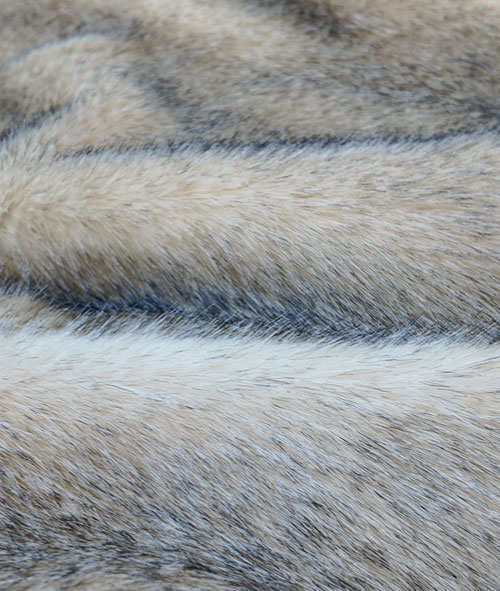
Mink Plush Fabric is a high-end simulated fur soft plush material with ultra-fine layered fibers, three-dimensional fluffy texture, and superior skin-friendly softness. Mink Plush Fabric has higher production thresholds and stricter quality control standards than ordinary plush materials. Mink Plush Fabric is mainly sourced for high-end gift blankets, premium bedding, luxury decorative textiles, and high-grade plush craft products. The core sourcing standards of Mink Plush Fabric focus on fiber fineness, layered fluffiness, zero shedding performance, and luster uniformity to ensure high-end product texture and user experience.
Velvet Fabric is a classic high-grade decorative soft plush material with neat directional cut-pile structure, elegant low-gloss luster, and excellent drapability. Velvet Fabric balances decorative aesthetics and moderate practicality, widely used in sofa upholstery, fashion apparel, high-end decorative ornaments, and indoor soft fitting projects. The core sourcing indicators of Velvet Fabric include pile flatness, luster consistency, pressure resistance, and anti-shading performance to guarantee long-term decorative neatness and aesthetic stability.
Key Quality Sourcing Parameters For PV Plush Fabric, Mink Plush Fabric, And Velvet Fabric
Professional bulk sourcing of PV Plush Fabric, Mink Plush Fabric, and Velvet Fabric relies on standardized quantitative parameters rather than subjective judgment. Mastering these core technical parameters is the key to screening high-quality soft plush materials and eliminating inferior products.
For PV Plush Fabric sourcing, the priority parameters are GSM weight, pile height, fiber density, color fastness, and anti-pilling grade. Qualified bulk PV Plush Fabric has stable GSM weight within each batch, uniform pile height without sparse or uneven areas, and tight fiber fixation to avoid shedding and pilling. High-quality PV Plush Fabric requires grade 4 or above color fastness to washing and light exposure, ensuring no fading or discoloration during long-term use and cleaning. In addition, qualified PV Plush Fabric must have good compression resilience to prevent permanent flattening after daily extrusion.
For Mink Plush Fabric sourcing, the critical parameters are fiber fineness, layered pile uniformity, fluffiness recovery rate, dust resistance, and skin-friendly safety. Premium Mink Plush Fabric adopts ultra-fine composite fibers with uniform layered staggered arrangement, no messy long or short piles. The fluffiness recovery rate of qualified Mink Plush Fabric must reach industrial standards, enabling rapid rebound after compression without permanent deformation. Meanwhile, bulk Mink Plush Fabric must be hypoallergenic, odorless, and free of harmful chemical residues, complying with international textile safety standards for close-fitting and infant textile products.
For Velvet Fabric sourcing, the core parameters are cut-pile neatness, luster uniformity, directional consistency, tensile strength, and wrinkle resistance. High-quality Velvet Fabric has upright and neat cut piles with consistent direction, no pile disorder, local indentation, or shading difference. The surface luster of qualified Velvet Fabric is soft and uniform, with stable light reflection effect under different angles. Excellent tensile strength and wrinkle resistance ensure Velvet Fabric is not easy to deform or wrinkle during cutting, sewing, and long-term use, maintaining perfect decorative effect.
Scenario-Based Sourcing Selection Guide For PV Plush Fabric, Mink Plush Fabric, And Velvet Fabric
Different application scenarios require targeted sourcing of PV Plush Fabric, Mink Plush Fabric, and Velvet Fabric. Reasonable material matching can maximize product performance and optimize procurement cost efficiency.
For daily mass production scenarios including ordinary plush toys, household daily blankets, frequent-use sofa cushions, and pet textile products, prioritize bulk sourcing of standard PV Plush Fabric. PV Plush Fabric’s stable quality, low maintenance cost, and high cost performance perfectly meet the large-batch and high-durability requirements of civilian textile production. When sourcing PV Plush Fabric for daily products, focus on washability and anti-shedding performance to reduce after-sales quality problems.
For high-end customized scenarios including premium gift textiles, luxury home bedding, high-grade simulation plush products, and seasonal warm decorative goods, select high-quality Mink Plush Fabric in bulk. The ultra-soft layered texture and superior warmth of Mink Plush Fabric can significantly improve product grade and user comfort. When sourcing Mink Plush Fabric, prioritize high-density layered fluffing materials to ensure lasting fluffiness and avoid pile matting and flattening defects.
For decorative and apparel scenarios including high-end sofa upholstery, indoor wall decoration, fashion velvet clothing, and boutique craft ornaments, source high-standard Velvet Fabric. The elegant luster, flat texture, and flexible drapability of Velvet Fabric are irreplaceable for high-grade decorative products. When sourcing Velvet Fabric, strictly check pile direction consistency and luster uniformity to avoid batch shading difference affecting finished product aesthetics.
Bulk Sourcing Inspection Process For PV Plush Fabric, Mink Plush Fabric, And Velvet Fabric
Standardized pre-delivery inspection is essential for bulk sourcing of PV Plush Fabric, Mink Plush Fabric, and Velvet Fabric to ensure 100% batch quality compliance. All bulk orders of PV Plush Fabric, Mink Plush Fabric, and Velvet Fabric need to complete sample confirmation, parameter verification, and batch random inspection before formal delivery.
First, confirm pre-production samples of PV Plush Fabric, Mink Plush Fabric, and Velvet Fabric. Compare sample texture, color, softness, and thickness with procurement standards to lock production benchmarks. Any parameter inconsistency needs to be adjusted and confirmed before mass production to avoid large-batch defective products.
Second, conduct parameter detection for bulk PV Plush Fabric, Mink Plush Fabric, and Velvet Fabric. Test GSM weight, pile height, color fastness, and resilience of randomly sampled fabrics to ensure full compliance with industrial standards and customized requirements. For Mink Plush Fabric, focus on fluffiness recovery and anti-shedding testing; for Velvet Fabric, focus on luster consistency and pile direction detection; for PV Plush Fabric, focus on wear resistance and compression stability verification.
Third, check batch consistency of PV Plush Fabric, Mink Plush Fabric, and Velvet Fabric. Compare multiple batches of fabrics to eliminate color difference, texture deviation, and thickness inconsistency, ensuring uniform quality of all delivered materials. Stable batch consistency is the core guarantee for standardized mass production of finished textile products.
Common Sourcing Risks And Avoidance Tips For Soft Plush Materials
Many buyers encounter quality risks when sourcing PV Plush Fabric, Mink Plush Fabric, and Velvet Fabric due to insufficient professional standards. Mastering risk avoidance skills can effectively reduce procurement losses and stabilize supply chain quality.
The first common risk is shoddy substitution, where suppliers replace high-standard PV Plush Fabric, Mink Plush Fabric, and Velvet Fabric with low-density inferior materials to reduce costs. Inferior PV Plush Fabric has sparse piles and serious pilling; low-grade Mink Plush Fabric has no layered texture and is easy to flatten; defective Velvet Fabric has messy piles and uneven luster. Buyers must confirm detailed parameter lists and conduct sample testing before bulk ordering to avoid material substitution.
The second risk is unstable batch quality of PV Plush Fabric, Mink Plush Fabric, and Velvet Fabric. Some informal production channels have inconsistent production processes, leading to obvious color difference and texture deviation between different batches of fabrics, which seriously affects finished product uniformity. Buyers need to cooperate with suppliers with standardized production lines and complete quality inspection systems to ensure long-term batch stability of PV Plush Fabric, Mink Plush Fabric, and Velvet Fabric.
The third risk is incomplete safety indicators of PV Plush Fabric, Mink Plush Fabric, and Velvet Fabric. Low-quality soft plush materials may contain excessive harmful chemical residues, failing international textile safety standards and causing sales obstacles and safety risks. Buyers must require suppliers to provide qualified quality inspection reports to ensure PV Plush Fabric, Mink Plush Fabric, and Velvet Fabric meet global safety and environmental protection standards.
Cost-Effective Sourcing Strategies For PV Plush Fabric, Mink Plush Fabric, And Velvet Fabric
Scientific cost control is an important part of soft plush materials sourcing, balancing material quality and procurement cost. For mass daily production, select conventional standard PV Plush Fabric specifications to avoid redundant high-end parameters and control procurement costs while ensuring basic performance.
For high-end product lines, moderately increase procurement budget to select high-density customized Mink Plush Fabric and high-precision woven Velvet Fabric. High-quality Mink Plush Fabric and Velvet Fabric have lower defect rate and longer service life, effectively reducing subsequent production loss and after-sales cost, achieving higher comprehensive cost performance.
In addition, long-term fixed cooperation with formal fabric suppliers can obtain stable bulk pricing and priority production rights for PV Plush Fabric, Mink Plush Fabric, and Velvet Fabric, avoiding price fluctuations and supply shortages in short-term temporary sourcing.
Conclusion
PV Plush Fabric, Mink Plush Fabric, and Velvet Fabric are three irreplaceable core soft plush materials in the modern textile industry, each with unique quality standards and sourcing requirements. Professional sourcing of PV Plush Fabric focuses on durability, batch stability, and cost performance for mass daily textile production. High-quality sourcing of Mink Plush Fabric emphasizes layered fluffiness, ultra-soft texture, and safety performance for premium warm and decorative products. Standardized sourcing of Velvet Fabric centers on luster uniformity, pile neatness, and decorative stability for high-end upholstery and craft products.
By mastering targeted material positioning, core technical parameters, scenario-based selection rules, standardized inspection processes, and risk avoidance strategies for PV Plush Fabric, Mink Plush Fabric, and Velvet Fabric, bulk buyers and manufacturers can achieve efficient, safe, and cost-effective soft plush material procurement. Accurate sourcing matching not only improves finished product quality and market competitiveness but also optimizes long-term supply chain stability, becoming the key foundation for sustainable textile production and product upgrading.

 Pусский
 日本語
日本語 한국어
한국어 العربية



 WhatsApp
 Phone
Phone
Comment
(0)