What Is
Velvet Fabric: Features, Uses And Buying Guide For Textile Buyers
Meta Description
Learn all about Velvet Fabric, including its core features, unique texture, practical advantages, versatile uses, and professional buying tips for textile buyers. This complete Velvet Fabric guide helps you select high-quality Velvet Fabric for upholstery, apparel, and home textile projects.
Introduction
Velvet Fabric is a timeless, luxurious textile material celebrated for its distinctive soft pile, elegant luster, and versatile performance, making it a staple choice for textile buyers, furniture manufacturers, apparel designers, and home decor creators worldwide. Unlike ordinary flat textiles and common plush fabrics,
Velvet Fabric Features a unique woven pile structure that delivers a one-of-a-kind tactile and visual experience, balancing premium aesthetics with practical usability. For decades, Velvet Fabric has maintained enduring popularity in the textile industry, evolving from traditional luxury silk materials to modern multi-component synthetic and blended fabrics that adapt to diverse mass and high-end production needs. Many textile buyers and fabric practitioners seek clear, professional guidance to understand Velvet Fabric’s inherent traits, suitable application scenarios, and quality selection standards, as improper Velvet Fabric selection often leads to subpar finished product quality, poor durability, and mismatched design effects. This in-depth guide fully elaborates on the core features, key advantages, main applications, maintenance rules, and practical buying criteria of Velvet Fabric, providing comprehensive references for all users who purchase and apply Velvet Fabric.
As a high-performance decorative and functional textile, Velvet Fabric stands out in the market due to its perfect combination of soft texture, three-dimensional layering, and elegant gloss. Whether for high-end fashion apparel, upscale furniture upholstery, luxury home decoration, or delicate craft products, Velvet Fabric can significantly enhance the grade and texture of finished goods. With the continuous innovation of textile weaving and dyeing technology, modern Velvet Fabric has overcome the shortcomings of traditional Velvet Fabric, such as easy flattening, difficult cleaning, and single color matching. Today’s Velvet Fabric boasts improved color fastness, pile stability, wear resistance, and environmental performance, further expanding its application scope in civilian textiles, creative design, and commercial production fields. Mastering the core knowledge of Velvet Fabric is essential for textile buyers to make cost-effective, high-quality fabric purchasing decisions.
What Is Velvet Fabric? Basic Definition & Core Structure
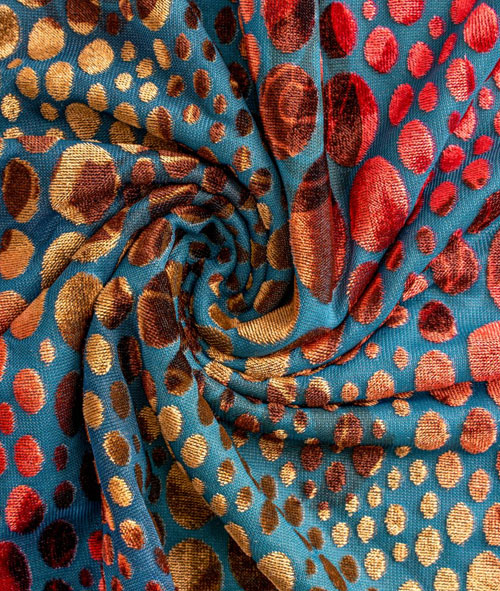
Velvet Fabric is a specialized woven textile defined by its dense, uniform cut pile surface that creates a soft, plush, and smooth tactile finish. Unlike brushed fabrics or short-plush materials, Velvet Fabric is produced through professional double-weaving and pile-cutting processes, forming a neat, consistent layer of upright fibers on the fabric surface. This unique structural design is the fundamental reason why Velvet Fabric differs from ordinary fabrics in texture, luster, and comfort. Traditional Velvet Fabric was primarily woven with pure silk fibers, featuring ultra-fine texture and noble luster, while modern Velvet Fabric adopts diverse raw materials including polyester, cotton, nylon, and fiber blends, realizing differentiated grades and performance to meet varied market demands.
The core structural feature of high-quality Velvet Fabric is uniform pile density and consistent nap direction. Qualified Velvet Fabric has no sparse piles, bare spots, or uneven fiber height, presenting a flat, delicate, and full surface state. The pile height of standard Velvet Fabric is moderate and stable, with strong resilience, ensuring the fabric can maintain its three-dimensional fluffy effect after long-term use. In addition, the base fabric of premium Velvet Fabric is tight and sturdy, with good structural stability, effectively preventing pile shedding, deformation, and wrinkling during cutting, sewing, and daily use. This reliable structural performance makes Velvet Fabric both a decorative aesthetic material and a practical wearable and upholstery textile.
Another key attribute of Velvet Fabric is its unique light-reflecting effect. The neat arranged piles of Velvet Fabric reflect light evenly, producing a soft, subtle, and elegant luster that avoids the harsh glare of smooth fabrics and the dullness of ordinary plush fabrics. This exclusive luster characteristic endows Velvet Fabric with a strong sense of hierarchy and luxury, which is why Velvet Fabric is widely used in high-end decorative and customized textile products. Different raw material compositions will slightly adjust the luster and softness of Velvet Fabric, forming diverse Velvet Fabric Types with distinct styles for different usage scenarios.
Key Features of High-Quality Velvet Fabric
Velvet Fabric possesses a series of unique functional and aesthetic features that establish its irreplaceable position in the textile market. Understanding these core features of Velvet Fabric is the primary premise for textile buyers to identify high-quality products and select suitable Velvet Fabric for production.
First, excellent softness and skin-friendliness are the most prominent features of Velvet Fabric. The fine, dense cut piles of Velvet Fabric create a cloud-like smooth touch with no hard edges or rough texture. High-quality Velvet Fabric is hypoallergenic and skin-friendly, causing no irritation to human skin, making it suitable for close-fitting apparel, bedding products, and children’s textile goods. Compared with ordinary plush fabrics, Velvet Fabric’s softness is more delicate and uniform, with a silky tactile experience that improves the comfort of all finished products made from Velvet Fabric.
Second, superior aesthetic performance and three-dimensional texture are iconic advantages of Velvet Fabric. The neat upright piles of Velvet Fabric form a distinct three-dimensional structure, giving the fabric fullness and layering that flat fabrics cannot achieve. Coupled with its unique soft luster, Velvet Fabric can instantly upgrade the visual grade of furniture, clothing, and decorative items. Velvet Fabric supports rich dyeing effects, including solid colors, gradient colors, and printed patterns, with saturated and uniform color rendering. High-quality Velvet Fabric maintains stable color uniformity and does not produce color difference or dullness after long-term use.
Third, good thermal insulation and breathability balance is a practical highlight of Velvet Fabric. The dense pile structure of Velvet Fabric can lock static air effectively, providing excellent warmth retention, making Velvet Fabric ideal for autumn and winter textiles. Meanwhile, the gap between the piles ensures basic air circulation, avoiding the stuffy and humid feeling of thick airtight fabrics. This balanced performance of warmth and breathability allows Velvet Fabric to adapt to both warm clothing and indoor constant-temperature home textile scenarios, greatly improving its practical value.
Fourth, improved durability and structural stability define modern high-quality Velvet Fabric. Advanced weaving and pile-fixing technologies enable premium Velvet Fabric to resist daily friction, extrusion, and stretching. Qualified Velvet Fabric features strong pile adhesion, not easy to shed hair or loose piles, and has good compression resilience. After being flattened by external force, the piles of Velvet Fabric can quickly rebound to restore their original fluffy and neat state. In addition, high-standard Velvet Fabric has excellent color fastness to washing and light, resisting fading and aging after repeated cleaning and long-term light exposure, extending the service life of finished products significantly.
Finally, strong plasticity and process adaptability make Velvet Fabric suitable for diverse processing methods. Velvet Fabric can be cut, sewn, embossed, crushed, and printed without damaging its pile structure, supporting various personalized designs and mass production processes. Whether for simple batch production or complex customized craftsmanship, Velvet Fabric can maintain stable fabric performance and neat finished effect, meeting the diversified processing needs of textile manufacturers.
Versatile Uses of Velvet Fabric
Thanks to its excellent aesthetic and practical features, Velvet Fabric covers a wide range of application fields, including home upholstery, fashion apparel, decorative crafts, and customized textile products. Different types and grades of Velvet Fabric correspond to differentiated usage scenarios, and rational matching of Velvet Fabric can maximize product value and market competitiveness.
Velvet Fabric for Home Upholstery is the most mainstream application of Velvet Fabric. High-quality Velvet Fabric is widely used in sofa upholstery, chair surface wrapping, bed head decoration, cushion and pillow production, curtain making, and indoor soft furnishing accessories. The soft texture and elegant luster of Velvet Fabric can enhance the warmth and luxury of indoor space, while the wear-resistant and anti-wrinkle performance of premium Velvet Fabric adapts to long-term daily use and frequent friction. Thickened Velvet Fabric is especially suitable for winter home decoration, providing better warmth and comfort, while thin lightweight Velvet Fabric is perfect for making decorative curtains and hanging ornaments to create a layered and advanced indoor style.
Velvet Fabric for Apparel Production is another core application scenario of Velvet Fabric. Velvet Fabric is commonly used to make high-end dresses, formal gowns, casual coats, blazers, scarves, hats, and winter close-fitting clothing. The silky touch and noble luster of Velvet Fabric endow clothing with a strong sense of design and grade, suitable for formal occasions, fashion shows, and daily high-end wear. The good drapability of Velvet Fabric ensures neat clothing tailoring and smooth lines, avoiding the stiff and bulky feeling of ordinary thick fabrics. In addition, the skin-friendly performance of Velvet Fabric makes it safe and comfortable for long-term wearing, meeting the quality requirements of high-end apparel manufacturing.
Velvet Fabric for Craft & Gift Products is a rapidly expanding application field of Velvet Fabric. Delicate Velvet Fabric is widely used in making high-end gift box lining, jewelry packaging materials, decorative ornaments, plush handicrafts, and festival decorative supplies. The soft and luxurious texture of Velvet Fabric can effectively improve the grade and texture of packaging and decorative products, bringing a high-end user experience. Meanwhile, the easy-processing feature of Velvet Fabric supports small-batch customized craft production, making it a preferred material for personalized decorative textile products.
Velvet Fabric for Pet & Daily Textiles is also a common practical application. Safe and skin-friendly Velvet Fabric can be used to make pet cushions, pet nest fabrics, daily blankets, and decorative napkins. The stable and easy-to-clean performance of Velvet Fabric meets the daily use and cleaning needs of civilian textiles, balancing practicability and aesthetic effect, and is deeply favored by mass consumers and textile processors.
Professional Buying Guide for Velvet Fabric (Key Tips for Textile Buyers)
For textile buyers, selecting high-quality Velvet Fabric is crucial to ensuring finished product quality, reducing after-sales problems, and controlling production costs. Many buyers face common problems such as uneven pile density, easy hair shedding, poor color fastness, and inconsistent fabric luster when purchasing Velvet Fabric. The following professional buying tips can help buyers accurately screen high-quality Velvet Fabric and avoid inferior products.
Check Velvet Fabric Pile Density and Uniformity. Pile density is the core standard for judging Velvet Fabric quality. High-quality Velvet Fabric has dense, uniform, and upright piles with no sparse areas, bare spots, or tilted fibers. Buyers can observe the Velvet Fabric surface from different angles to check for consistent luster and flat texture. Inferior Velvet Fabric has uneven pile distribution, messy fiber arrangement, and obvious light and shadow differences on the surface, which will affect the appearance and durability of finished products. For upholstery and high-end apparel use, buyers must select Velvet Fabric with high pile density and neat arrangement.
Test Velvet Fabric Pile Fastness and Resilience. Pile shedding and poor resilience are the most common defects of low-quality Velvet Fabric. Buyers can gently stroke the Velvet Fabric surface repeatedly to check for floating hair shedding; qualified Velvet Fabric has no obvious hair loss phenomenon. Meanwhile, press the Velvet Fabric surface lightly and release it quickly—high-quality Velvet Fabric can rebound immediately to restore its fluffy flat state, while inferior Velvet Fabric will leave permanent indentations and cannot recover, seriously affecting subsequent use and appearance.
Verify Velvet Fabric Color Fastness and Dyeing Quality. Excellent color fastness is a basic requirement for qualified Velvet Fabric. Buyers can wipe the Velvet Fabric surface with a damp white cloth to check for color fading; high-standard Velvet Fabric will not transfer color. In addition, observe the overall color uniformity of Velvet Fabric to avoid color difference, color spots, and dull gloss. For mass production and washable textile products, buyers must prioritize Velvet Fabric with high washing and light color fastness to ensure finished products do not fade or age easily.
Select Appropriate Velvet Fabric Thickness and Weight by Usage. Velvet Fabric has multiple specifications of thickness and weight, and buyers need to match parameters according to actual usage scenarios. Thick and high-weight Velvet Fabric is suitable for sofa upholstery, winter blankets, and thick apparel, featuring good warmth and wear resistance. Medium-weight Velvet Fabric is ideal for daily clothing, cushions, and decorative crafts, balancing softness and plasticity. Thin lightweight Velvet Fabric is perfect for curtains, lining materials, and delicate decorative products, with good drapability and light texture. Reasonable parameter matching can effectively improve cost performance and product applicability.
Check Velvet Fabric Base Fabric and Structural Stability. A sturdy base fabric determines the overall durability of Velvet Fabric. High-quality Velvet Fabric has a tight, thick base fabric with no loose threads or sparse weaving, ensuring strong adhesion between piles and the base fabric. Inferior Velvet Fabric has a thin and loose base fabric, which is prone to pile falling off and fabric deformation during cutting, sewing, and use. Buyers must inspect the base fabric texture of Velvet Fabric to avoid structural defective products.
Confirm Environmental and Safety Standards of Velvet Fabric. For Velvet Fabric used in close-fitting apparel, bedding, and children’s products, buyers need to confirm that the Velvet Fabric meets universal environmental and safety standards, with no harmful chemical residues, no peculiar smell, and hypoallergenic performance. High-quality formal-free and environmentally dyed Velvet Fabric can meet the safety needs of civilian textiles and high-end customized products, avoiding safety risks and market compliance problems.
Maintenance & Care Tips for Velvet Fabric Products
Correct maintenance can effectively prolong the service life of Velvet Fabric products and keep the Velvet Fabric surface fluffy, glossy, and neat. Although modern high-quality Velvet Fabric has good durability, improper cleaning and maintenance will still damage the pile structure and luster of Velvet Fabric, affecting the use effect. Daily maintenance of Velvet Fabric follows simple and practical rules suitable for both factory finished product inspection and consumer daily care.
Daily dust cleaning of Velvet Fabric only requires gentle wiping with a soft dry towel or low-power vacuum cleaning to avoid hard friction and sharp tool scraping, which can prevent pile tilting and surface damage. For daily stains on Velvet Fabric, partial cleaning with neutral mild detergent is recommended; avoid strong alkaline detergents that will damage the fiber structure and color of Velvet Fabric. For machine-washable Velvet Fabric products, use gentle washing mode and low-temperature water to prevent high-temperature deformation and pile disorder of Velvet Fabric.
After cleaning, Velvet Fabric products should be flatly dried in a cool and ventilated place, avoiding long-term high-temperature sun exposure, which will cause fiber aging, color fading, and pile hardening of Velvet Fabric. After drying, gently comb the Velvet Fabric surface with a soft brush along the nap direction to restore the neat and fluffy state of the piles. Long-term stored Velvet Fabric products need to avoid heavy extrusion to prevent permanent pile flattening, and regular ventilation can maintain the texture and luster of Velvet Fabric.
Conclusion
Velvet Fabric is a high-quality, versatile, and timeless textile material that integrates luxury aesthetics and practical performance. With its delicate soft texture, unique elegant luster, stable structural performance, and wide application adaptability, Velvet Fabric has become an indispen
sable core material in home upholstery, fashion apparel, decorative crafts, and customized textile industries. High-quality Velvet Fabric features uniform pile density, strong pile fastness, excellent color stability, and good resilience, bringing high-grade texture and long-lasting use effect to finished products.
For textile buyers, mastering the core features, application scenarios, and professional buying standards of Velvet Fabric is the key to selecting cost-effective and high-quality Velvet Fabric products. By checking pile uniformity, resilience, color fastness, base fabric stability, and matching appropriate specifications according to usage needs, buyers can effectively avoid inferior Velvet Fabric and improve the overall quality and market competitiveness of textile products. With reasonable selection and standardized maintenance, Velvet Fabric can exert its maximum aesthetic and practical value, continuing to occupy an important position in the modern textile market.

 Pусский
 日本語
日本語 한국어
한국어 العربية



 WhatsApp
 Phone
Phone
Comment
(0)